The integration of Web2 and Web3 is irreversible and a major trend,
in the Metaverse, an infinite incremental market will be born,
and the struggle for rules, standards, and discourse,
will be the main battleground of the integration of Web2 and Web3.
Chaos is a ladder,
and blockchain entrepreneurs are also facing the last window of opportunity.
1 The Collapse of the Web2 World
The world of Web2 is in a red ocean competition, constantly burning money, subsidizing, and fighting for new users and traffic, to the dismay of users. With the absence of new incremental markets, more and more internet giants have entered a fierce hand-to-hand combat.
Over the past decade of Internet boom, Web2 has reshaped the physical world. Whether it's e-commerce, mobile payments, or social media, it has impacted the way people live and socialize in both cyber and physical spaces globally.

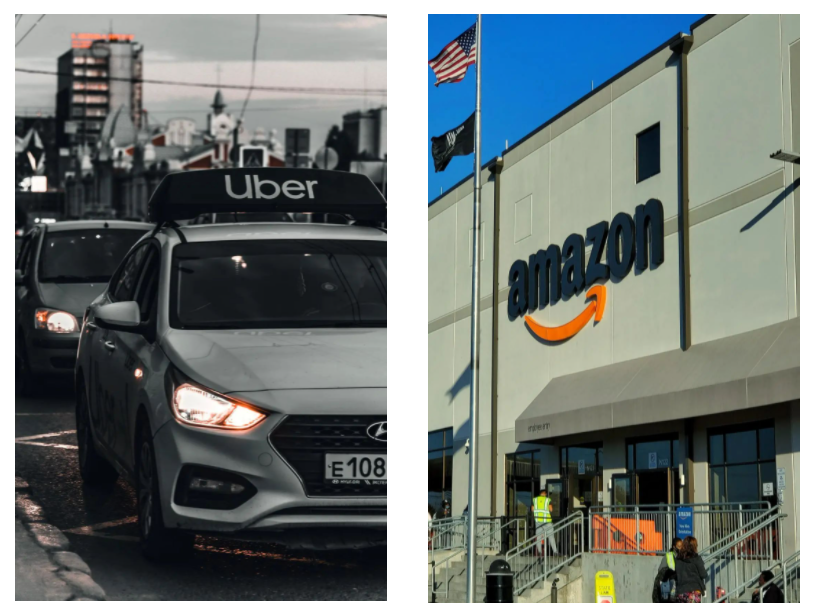
However, due to its interaction and integration with the physical world, more and more internet companies find themselves opposing traditional industries and regulatory bodies. For traditional industries, the impact of the internet is negotiable, mostly concerning employment and the fight over quantifiable resources, such as Uber and local taxis, Amazon and national retail chains, and even more traditional companies being drawn into Web2 to find new incremental markets.
The underlying incremental market lies in the global market's uneven distribution of Web2 technology skills, with companies mastering internet technology and standards mostly based in technologically advanced countries. Most countries worldwide depend on a handful of multinational internet companies for service and technical support, allowing them to rapidly sweep and win global markets.
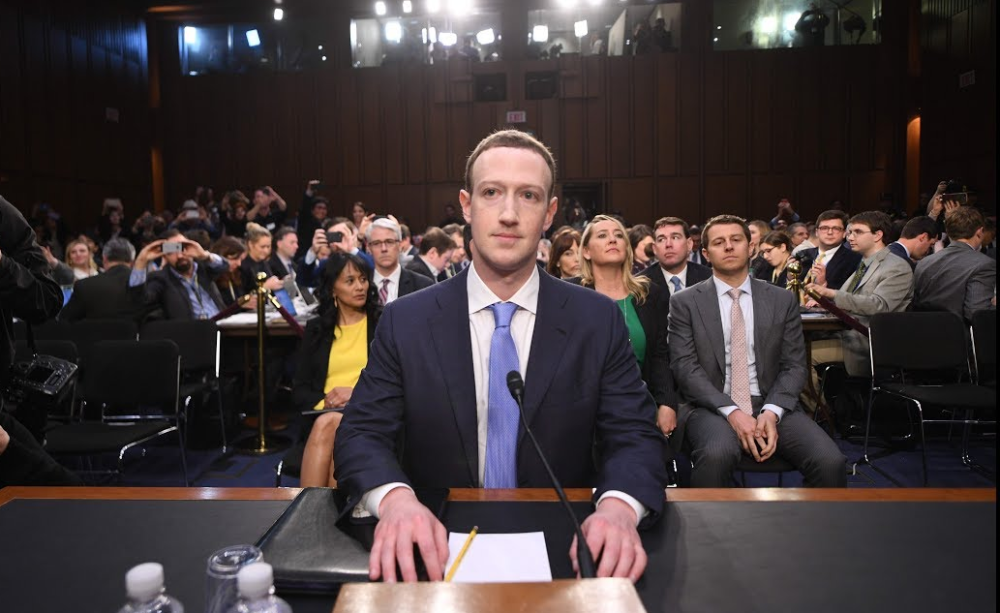
Friction between internet companies and national regulatory bodies is becoming increasingly apparent, mainly stemming from disputes over discourse and rule interpretation. Whether it's Europe's GDPR enhancing user privacy and data protection, or the US's antitrust lawsuits against internet companies, these are signs of regulatory bodies gaining a deeper understanding of data, platforms, and AI. Post-pandemic, a global economic crisis has been brewing. Apart from a few regions still experiencing growth, most countries on Earth are deeply mired in severe economic crises.
In the post-pandemic era, countless businesses have been extinguished, and numerous industries have collapsed to zero. Traditional Web2 giants face unprecedented challenges, whether from the pressures of traditional industries, the maturity of regulatory bodies, or the shrinking incremental markets, all squeezing the living space of Web2. In such chaotic and brutal times, we witness the entire Web2 world sinking into the shadows of demise.
On the other hand, a city in the skies of cyberspace, driven by blockchain, is setting sail atop the graves of a million internet companies.
2 Reshaping Code and Cyber Order
"Never has a technology been able to consolidate consensus, compile, and execute programs on a global scale."
The internet is not such a technology, as the giants' control over rules and data has built walled gardens. Today, any developer wishing to release their software or games on Apple's platform must first apply for a Dun & Bradstreet number. All apps must undergo Apple's review, and all transactions are subject to high channel fees.
The advent of blockchain technology has led all Web3 pioneers to complete an exodus.
Today, Ethereum has over 10,000 nodes worldwide, providing solid assurances for all on-chain applications, user assets, and key data. This forces countless Web2 companies to accept Web3 rules, allowing all developers to freely program and develop on Ethereum.
In my 2019 article "Blockchain - The Paradox of Future and Reality," I discussed that the core value of blockchain lies in defining rules in cyberspace. If the Web2 world was about giants drawing lines and ruling, then the Web3 world breaks all rules, unleashing global developer productivity and welcoming the self-growth and evolution of the Web3 ecosystem.
As the order in cyberspace is reshaped, we see a chain of growth and self-drive.
Because blockchain-verified contracts are public, the reuse rate of code has reached unprecedented levels. For crypto art, formally verified contracts like ERC721 and ERC1155 have aided countless creators who do not understand coding. In DeFi, standardized secure contract libraries allow numerous projects to happily build "code Legos," focusing on their areas of expertise. The countless reinventions of the wheel in Web2, often transitioning from open source to closed source or transformed into so-called "independent creations," are systematic marginal costs.
Because blockchain standardizes code rules, ecological innovation and secondary creation have endless possibilities. Native innovative projects on Web3 can dynamically link together. Each collaboration in Web2 companies incurs significant costs. And the integration of user data and changing rules are insurmountable mountains. However, the competitive cooperation in Web3 projects can ignore any rules.
Yes, even competition in Web3 can break through all barriers. Whether it's Looks airdropping to Opensea users or gun pools integrating different DeFis to offer higher liquidity and APR, the competitive cooperation relationships in the Web3 world are evolving into forms never seen before in human commercial history. But it is such Web3 that provides the best soil for ecological innovation and secondary creation. Communities and ecosystems can propose at any time to add more functions; they can also initiate forks to carve out entirely different paths.
Because smart contracts can design rules, the integration of Web2 and Web3 worlds is being redivided. The difference between a picture and an NFT, CeFi and DeFi, games and blockchain games, all reflect the redivision of the spheres of influence between the Web2 and Web3 worlds. When Web2 companies actively embrace Web3, they will find that blockchain-native users are already familiar with Metamask, accustomed to using crypto assets to purchase various NFTs, and love different crypto and computational arts. Such a community is actively guiding more Web2 users into this world and forming a thriving organization.
3 Singing through the Waves in Web3
More and more companies are actively embracing Web3, and the kings of Web2 are joining in building the cyber city in the skies.
In the art domain, today the world's largest art museum, the Russian Hermitage Museum, is minting NFTs and attempting to move its collections online; the world's largest museum, the British Museum, has officially started selling batches of NFTs; one of the art world's top three exhibitions, the Venice Biennale, this year initiated an exhibition of crypto art.
An era's understanding of art and the consolidation of consensus elevate the art of the age. More radically, all physical world art pieces are in a process of zeroing. Whether it's Van Gogh's Sunflowers or Qi Baishi's traditional Chinese paintings, they were the consensus of art in their time.
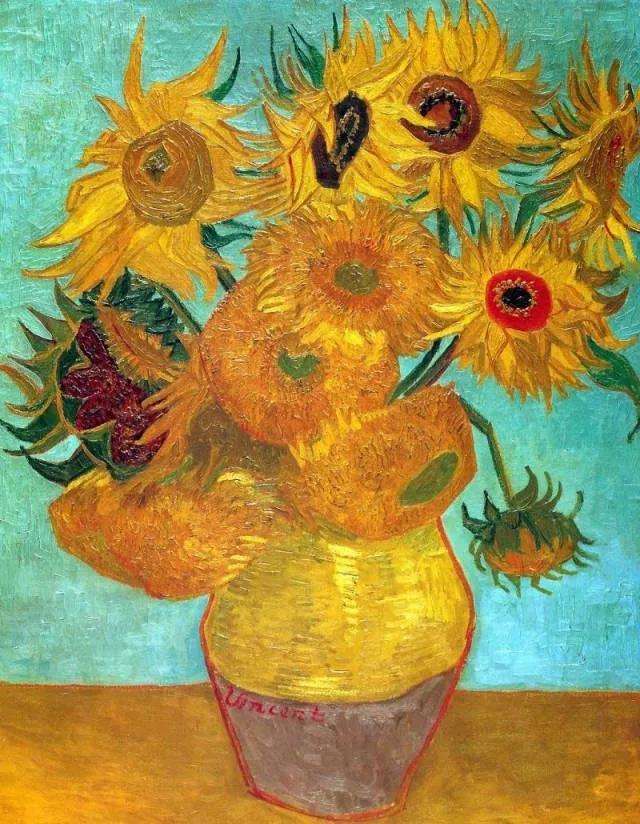
In today's era, those born after 2000 grew up playing Honor of Kings and scrolling through TikTok. Fewer people are learning oil painting or traditional Chinese painting, leading to a fragmentation of understanding and consensus on traditional art.
Where attention goes, money follows. Perhaps in the future, these works will still hold value, but it will be archaeological rather than artistic. Because if we just consider age, the ancient Egyptian murals on the banks of the Nile have thousands of years of history, but today they are more valued for their archaeological significance than for their artistic expression.
As the big wave of Web3 is about to sweep the globe, more and more crypto art, cyberpunk, and programmable art are gaining greater prominence.
In the financial sector, more and more countries are announcing the legalization of cryptocurrencies, and more organizations, universities, and foundations are accepting donations in cryptocurrencies. Countless companies, institutions, and even sovereign nation funds are purchasing crypto assets.
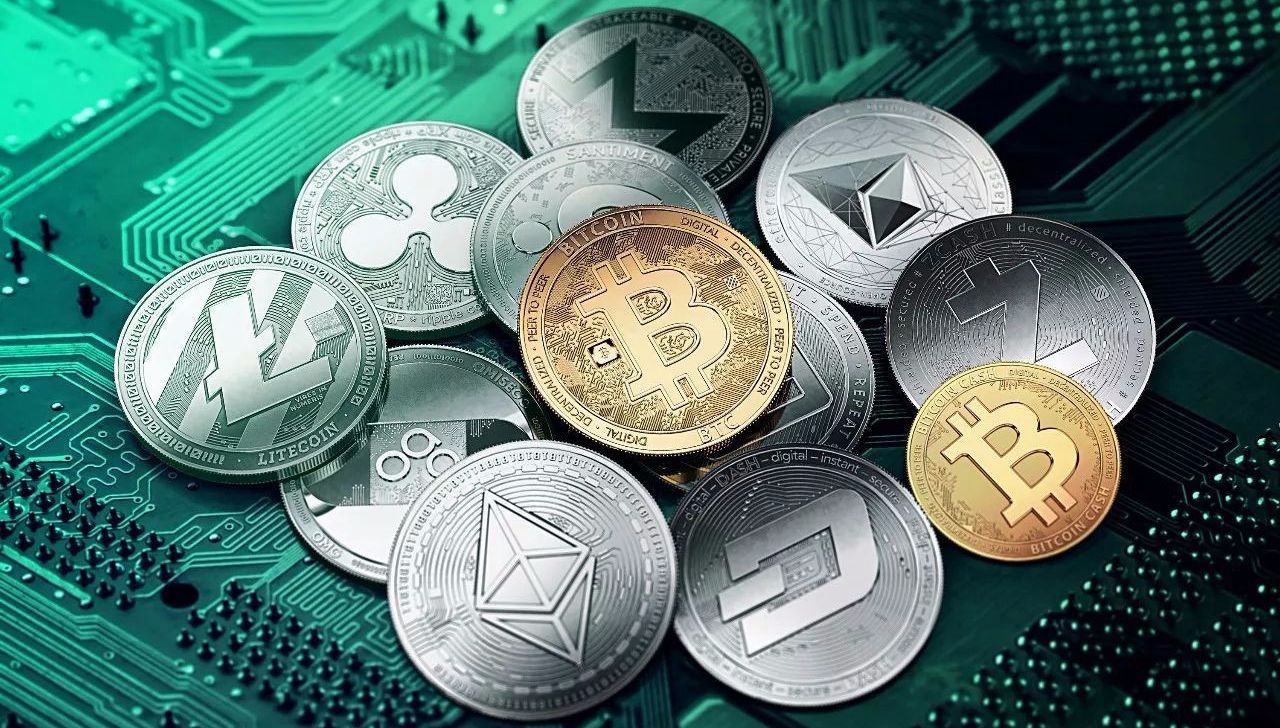
Sovereign nation asset allocations find it hard to choose real estate in other sovereign nations, yet more are naturally opting for crypto assets, because they increasingly understand that behind the principle of 'code as law' is global financial liquidity.
So, for Web3 world partners, how can they gain an advantage in the integration of Web2 and Web3?
I believe it still lies in the continuous exploration of the blockchain-native world, enhancing our understanding and cognition of blockchain-native innovations. Web3 projects are naturally interconnected; while a single project may stand alone, countless Web3 projects will naturally form a brilliant sky.
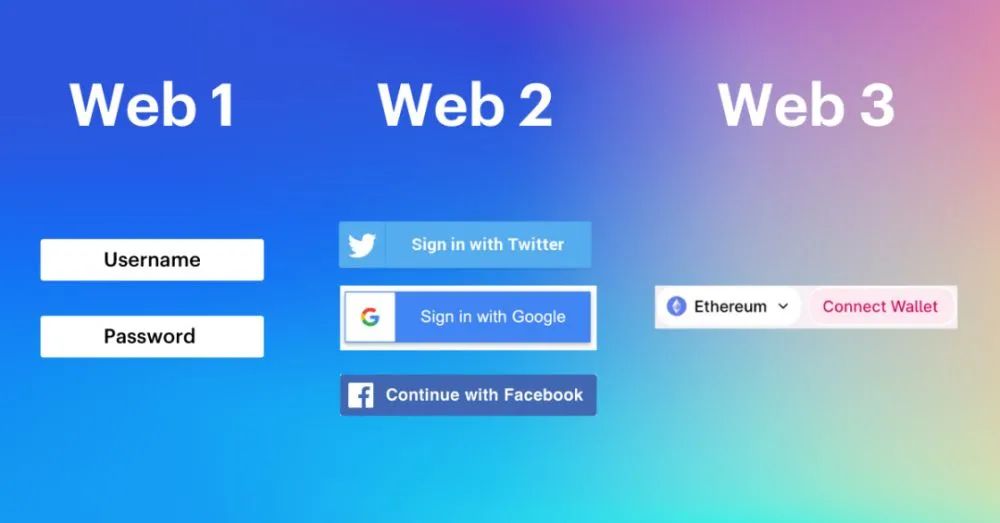
In the future, Web3 users will only need to log in with their wallets to naturally see all their on-chain assets in one interface. They can use any NFT to play in different games. Opening a chat room allows easy access to their NFT community. Randomly selecting a song allows payment with any token. Opening a favorite video app will recommend videos based on on-chain data, like Azuki's ensemble drama or Uniswap's history. Automatically accumulated membership reputations allow enjoyment of all Web3 services. Users' own NFT creations can be automatically recommended to countless interested collectors, quickly exchanged for money in Web2 or Web3.
These scenarios definitely require a major integration of Web2 and Web3, bringing a whole new cyber space living experience to global users. After all, no one wants to repeatedly register on different platforms, constantly provide their private information, endlessly log in and out and switch memberships, deal with countless but unusable membership points, or spend hundreds of hours on a game only to realize the assets don't truly belong to them, or face big data price discrimination based on leaked personal privacy.
In the world of the internet, we had no choice, but this time, in the blockchain-driven revolution of Web3, we sing through the waves.
4 A Butterfly Flutters in Chaos
The ideal establishment of Web3 is by no means a smooth path. In fact, growing in the Web3 world could be a more brutal form of evolution than in the Web2 world.
Web2 users, while losing their data and privacy, gained security and stability. For an ordinary user accustomed to resetting a lost bank password via a mobile phone, stepping into the dark forest of Web3 is their most dangerous moment. Perhaps they never realize that losing their private key or authorizing a phishing Dapp in Metamask could mean zeroing out all their assets.
In other words, when we choose to believe that "code is law," we must also take sole responsibility for all our assets. When we agree with a project's choice for a fair launch, it also means understanding that it might be a 'scientist first' scenario. A Web3 world is a fair world, but not an equal one. Because it's impossible for everyone to be a code-savvy geek, yet those with top tech skills can dominate in the Web3 world.
But because everything is still early, we see more opportunities in the blue ocean of Web3. These opportunities stem from the continuous influx of users migrating from the Web2 world. When Facebook, Twitter, and Instagram all choose to accept NFT verification and become hexagonal warriors, we see global internet users gradually noticing some unique users. When over a billion people worldwide who can't get banking services open Metamask, we see waves of new users continuously diving into the world of Web3.
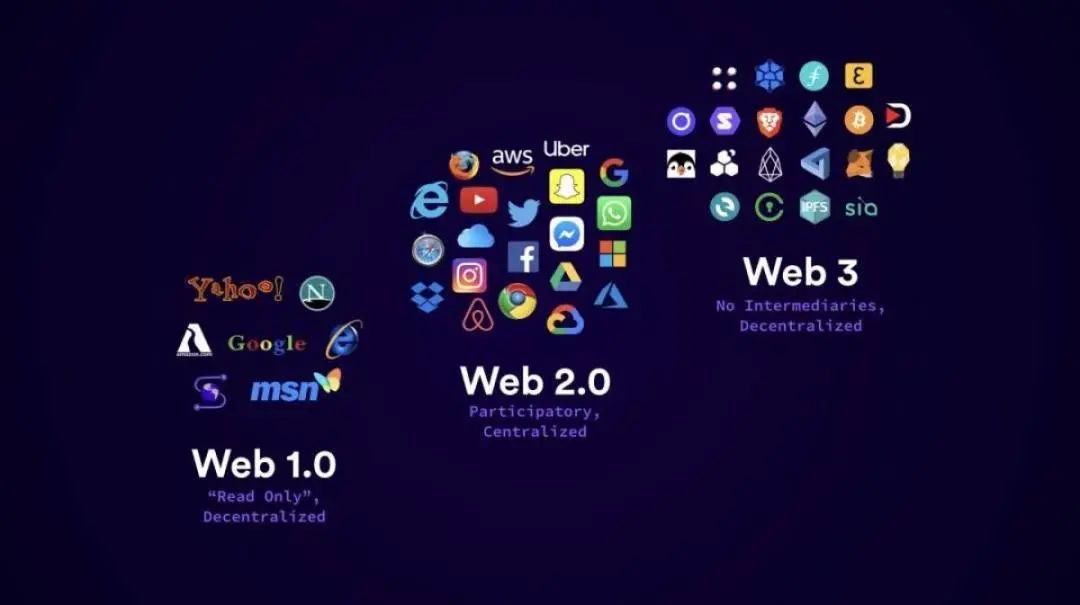
In this wave of integration, how to guide large corporations to understand blockchain, understand the rules of Web3, and convert them into a living force for building Web3 is crucial. Just like internet companies that can now accept NFT verification, they are constantly helping us promote Web3 products, attracting more users to experience, use, and support the transformation of Web3. Just like the invention of electricity and the internet, the awakening of global C-end users cannot be separated from the large-scale application of technology. And more builders, more innovative applications that Web2 couldn't give birth to, will make these internet giants submit, accept the standards and rules of Web3, and merge into our ranks.
WAGMI
WAGMI means We all gonna make it, and here 'all' is not just the pioneers of blockchain, but includes the entire Web2 world, until every global user. A spark can start a prairie fire. Blockchain should not become a self-indulgence of a few, but should be a revolutionary technology that drives the world forward.
In this cycle, we still have an advantage in technology and cognition, making it the best time to educate and guide traditional tech enterprises. Because the internet giants have seen the opportunities, if they miss out, they will try themselves, giving birth to their understanding and new standards, wrapping users, blocking traffic, and thus preventing the birth of the Web3 world.
Today, whether in terms of market cap or ecosystem, Web3 and Web2 worlds are incomparable. All crypto assets combined might not equal the market value of a single company in Web2. What we can do is use our accumulated knowledge, technology, and rules to perform a dimensional strike, converting the power of Web2 en masse while connecting all Web3 applications through the blockchain infrastructure.
Today, there are still many gaps with huge opportunities. Having been through this entire NFT cycle, I've provided technical and ecological support for dozens of leading projects. Here are just a few directions I personally believe have great potential:
1. NFTs and digital collectibles are a great opportunity for outsiders to recognize Web3.
Compared to DeFi and other financial infrastructures, ordinary people have a more direct understanding of NFTs and digital collectibles. Because most people can't understand smart contracts and don't grasp the underlying principles of DeFi, it's hard for ordinary outsiders to directly experience a DeFi.
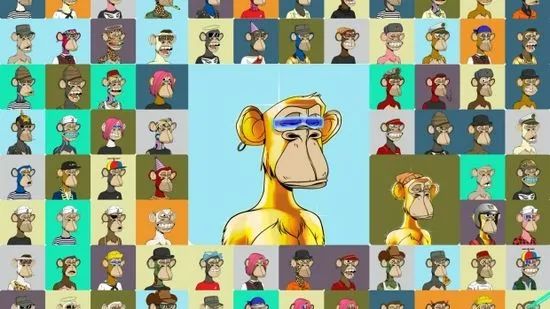
But NFTs are much more intuitive, even the most basic images and shapes can be aesthetically pleasing. And with different price ranges and styles, the buying experience is very similar to shopping. Buying an unboxed NFT is like buying clothes, while buying a boxed one is like pulling a blind box. This overall experience is very suitable for ground promotion, and compared to many luxury goods, the liquidity and value retention of NFTs might be better. Today, there aren't many opportunities to go out with a Hermes bag, and when you do, its authenticity is questionable. But, sporting a rare NFT on Twitter not only attracts like-minded people but also significantly expands your influence, similarly highlighting taste and social strata like luxury goods. Therefore, all brands will issue their own NFTs, or be left behind in the big wave of Web3.
2. Projects that integrate Web2 and Web3 and quickly implement them will have systemic bonuses.
Whether it's Adidas issuing NFTs with the BAYC community sweeping the Web3 world, or Nike acquiring RTFKT, Web2 giants see systemic opportunities. And the collision of fan groups on both sides with the scarcity of NFTs is explosive. Many future projects integrating Web2 and Web3 will start with NFTs, then build or connect to blockchain-driven metaverses sweeping the globe. In the Web3 world, all metaverses can naturally read each other's NFTs, naturally circulating. Centered on user will, as long as the user agrees, their assets, characters, and data can seamlessly travel through any world. When such countless metaverses are born, they will definitely produce systemic bonuses.
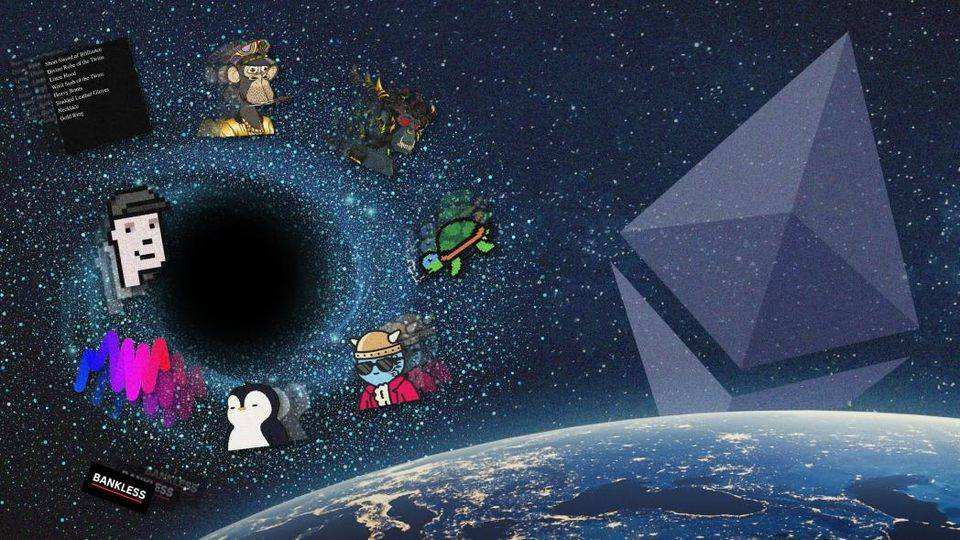
From this cycle to the next, we still face a nascent Web3 world. Web3 may still need another cycle to build up this vision, but the gears of fate have already been turned, and all blockchain entrepreneurs need to flutter their wings in this chaos.
5 Death or Rebirth
Whether successful or not, in the next cycle we will witness the death or rebirth of Web3. Web3 never guaranteed success, its underlying strength lies in whether the awakened builders can persevere. When too many traders make money and leave; when builders are driven out by bad money; when the pioneers of Web3 abandon their faith and succumb to the forces of Web2; Web3 will also become an unachievable bubble, just like many idealisms that fade away with time. People might choose to return to existing internet services, mechanically clicking "I have read the terms" over and over, repeatedly registering different platforms and products.
But since the birth of Ethereum, we have seen an unprecedented path. One foundation, connecting developers worldwide. One technology, transparently connecting over a hundred billion in assets and data. One ecosystem, not a company yet countless developers freely develop on it every day. Just like 3 years from today, I still remember the afternoon I deployed the first smart contract on Ethereum. Amazed, excited, and a bit joyful. "Aha, so this is how you mint an NFT."

When pioneers look up, far away, the Web3 sky is dazzling with stars.